
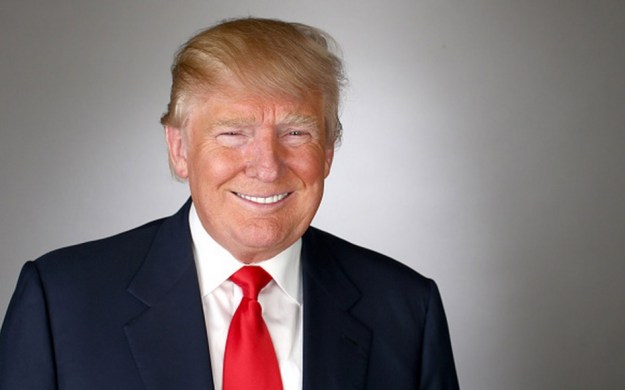
First of all, I’d like to admit that I was wrong. Terribly wrong. As recently as five months ago, during casual political discussions, I spoke breezily about the unexpected longevity of Donald Trump’s candidacy and what a fascinating window it shone onto disaffected elements within the Republican Party. My observation always concluded, “But he can never be president.”
While Trump remains far from actually winning the presidency, I was still wrong. Of course, what I meant, was that an establishment candidate must inevitably triumph, with vast superpac resources and party backing. Rank and file Republican voters might briefly flirt with entertaining, yet absurd personalities like Ben Carson or Trump, but someone on the order of a Jeb Bush would necessarily become nominated. That’s how the game works. Or worked.
For now, we can skip over the litany of inconsistencies, incredible claims and bizarre statements by Trump that would have shattered any other serious campaign and have already turned most party power brokers against him. By this point, his opponents are well aware of them and most supporters simply don’t care. However, for a weblog about firearms and social violence, the calls to action uttered by Trump himself require serious scrutiny.
Irresponsible rhetoric is nothing new to American presidential politics, from caustic personal insults during the 1800 Thomas Jefferson .v John Adams campaign, to John McCain’s joke about bombing Iran in 2007. Trump possesses no reservations against using similar language regarding political opponents, but ups the ante by encouraging rally attendees to physically attack protesters, even claiming he will pay their legal bills if arrested. Crowds are listening.
Besides a reluctance to distance himself from the endorsement of KKK leader David Duke, Trump’s gatherings have become noted for assaults, not to mention hand-raising “loyalty oaths,” which many perform in a classic Heil Hitler salute. In one amazing incident, Trump campaign officials didn’t even bother relegating one of their neo-Nazi volunteers to stuffing envelopes in a back room, but let her be interviewed on television, with fascist tattoos prominently displayed. For an election cycle already over the top, it’s beyond parody.
Now, many people observing these incidents immediately take a predictable worse case scenario and compare the situation with 1933 and Hitler’s rise in Germany. I am hesitant at making such a leap, but still, the potential for civil disorder appears to be growing. No matter who becomes nominated by either party, 2016 will surely be a very bitter election. Trump has already threatened supporters will riot if his bid is thwarted at the Republican convention.
Assuming, it is indeed Trump on the Republican side, what might his adherents do if he looses the general election? Will people who consider this man their saving grace from alleged hordes of Mexican rapists, simply concede defeat, after being urged to take matters into their own hands? Or, conversely, should he win, take that victory as license to exercise violence against Trump’s declared foes among minorities?
I hate to think of what might be possible under these conditions, which is the reason I became a gun owner in the first place. Historically, whenever skeptics asked why I keep an AK-47 handy, my response, as a historian, was generally: lynch mobs. While some comfortably imagine such terrible outbursts only occurred long ago in America’s past, per just one example, it was 2007 when a racist crowd attempted murdering two Latino men, just several miles south of my home in Portland, Oregon.
Though Trump has clearly mastered redirecting class resentment along ethnic and religious lines, his supporters shows signs of being uncontainable. The 2016 presidential race is already leagues off any map into uncharted territory. If frustrated or euphoric right wing voters use violence against vulnerable members of society, it may very well fall on common people to make hard choices. Turn away in shock, or respond with prompt action.
Far too often in US history, individuals have taken the easy path and let mobs carry out extremist justice, from Gold Rush era purges against American Indian to the Zoot Suit riots against Latinos and Blacks of 1943. Should Trump’s slogan “Make America Great Again” signal a return to the days of unaccountable pogroms, armed citizens must be ready to counter them. If dark days lie ahead, at least we can choose not to enter them helplessly.
 Left to right: .45ACP, 9mm Lugar, .22LR
 A six-shooter .38 Special S&W revolver. At one time, High Capacity
 K98 Mauser carbine with maximum capacity clip. Also once High Capacity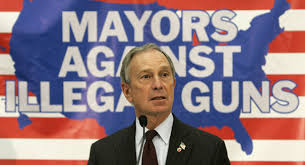



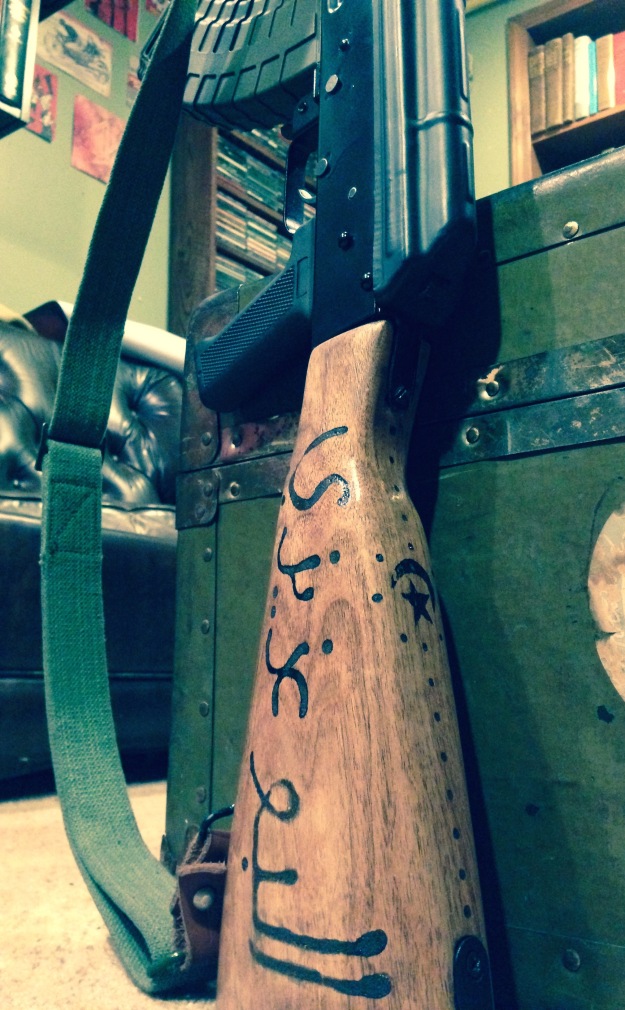
 Several years ago, my friend Ann encouraged me to order an AK-47 parts kit. She had been building them in her garage for some time, in fact, I’d written an article about the process for my old gun politics ‘zine AGCR. Soon enough it showed up. A decommissioned Romanian rifle with the stamped receiver cut in sections. It reeked of cosmoline. A capital letter G stood out boldly, engraved on the rear sight block.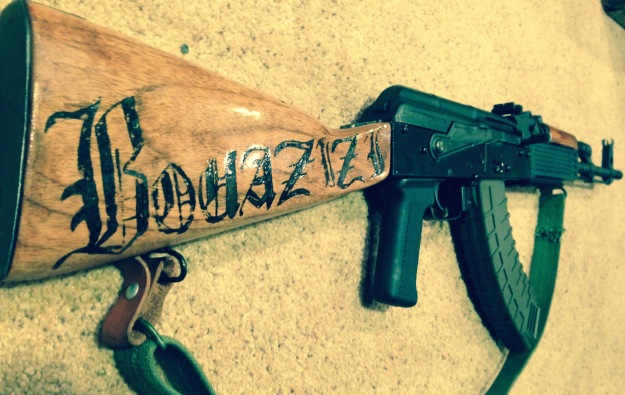
 One of the side benefits to joining the NRA (
 A major intellectual thinker behind the modern Cascadian successionist movement was the writer Ernest Callenbach (1929-2012). In 1975, this Berkely professor published a book called Ecotopia, concerning his vision for the Pacific Northwest breaking away from the US and forming an independent nation. As the title suggests, this new country focused on bringing ecological balance back to the bio-region, with a great deal of economic equality and various other progressive values as well.


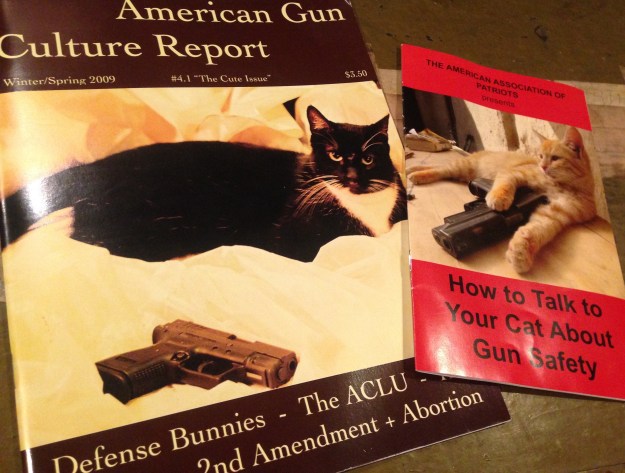 As someone who began writing about gun politics in the ‘zine community over ten years ago, I was always curious if anyone else might eventually take a similar path. Despite the great quantity of political topics covered by ‘zinesters, it was rare to find more than a passing mention of firearms in any context, pro or con. Then almost three years ago, I came across a thin, glossy pamphlet titled How to Talk to Your Cat About Gun Safety. The cover was reminiscent of AGCR #4 (The Cute Issue) from 2009, and I bought it immediately.
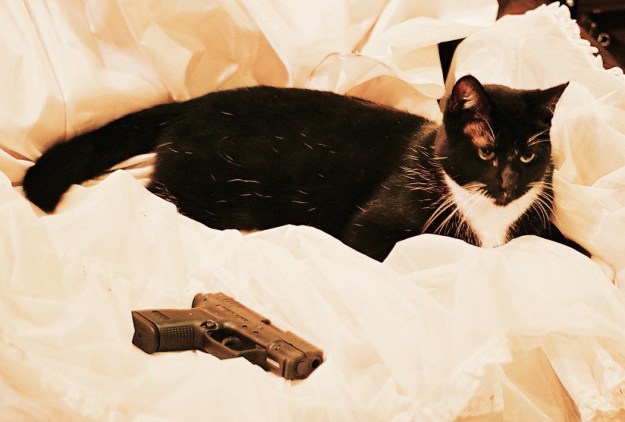 An outtake from the cover shoot session, with Other Cat (RIP 1/5/16)
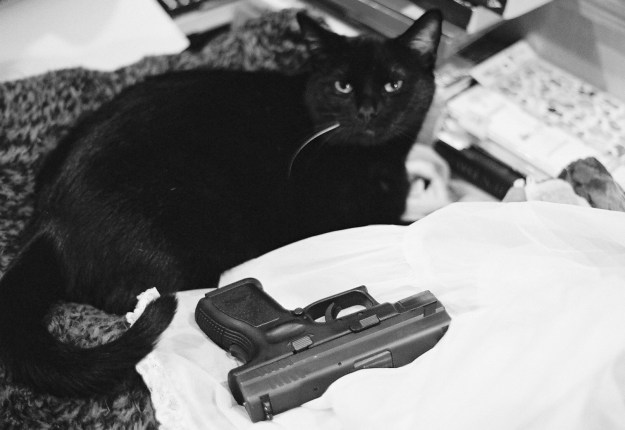 This outtake featuring Mortgage Cat and X D

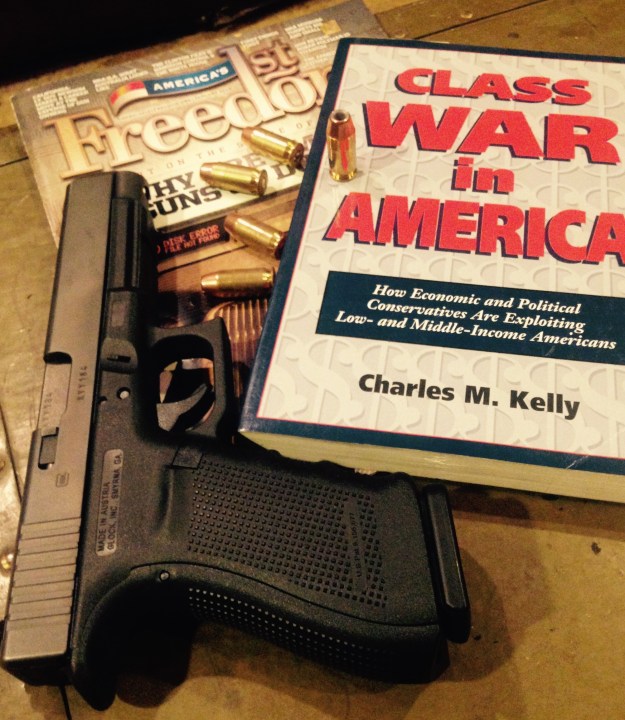
 Occupy the 2nd Amendment